Varicose Vein
Varicose Vein Specialists in Bethesda, MD
Written by David Green

In Short
Not sure who treats varicose veins in Bethesda, MD? Here's what a vein specialist looks for, how a duplex ultrasound shows what's going on underneath, and which minimally invasive vein treatments might fit your situation. There's also a section on what to ask before you book.
Find the Right Specialist for Varicose Vein Care
Varicose veins may be evaluated and treated by a vein doctor or board-certified vascular surgeon, depending on your clinical needs and the practice. For people asking, "Who treats varicose veins in Bethesda, MD?", the right starting point is a physician with real training and experience in diagnosing vein disease.
Other vascular specialists, including interventional radiologists and doctors who focus on vein care, may also diagnose and manage varicose veins. An evaluation tells you whether your concern is mostly cosmetic or tied to an underlying circulation problem, and whether varicose vein treatment makes sense for you at all.
When Specialist Evaluation Matters
Consider requesting an assessment if visible veins come with aching, leg heaviness, swelling, itching, tenderness, cramping, or skin changes. Symptoms that get in the way of standing, walking, work, sleep, or daily activities also deserve medical attention.
Seek prompt medical care for sudden swelling, significant pain, warmth, redness, bleeding, or a wound that is not healing. These concerns may need more immediate evaluation rather than a routine consultation.
What Happens During a Vein Evaluation
A thorough consultation usually starts with a conversation about your symptoms, medical history, previous treatment, medications, and goals. The clinician may ask when symptoms show up, what makes them worse, and whether they affect one leg or both.
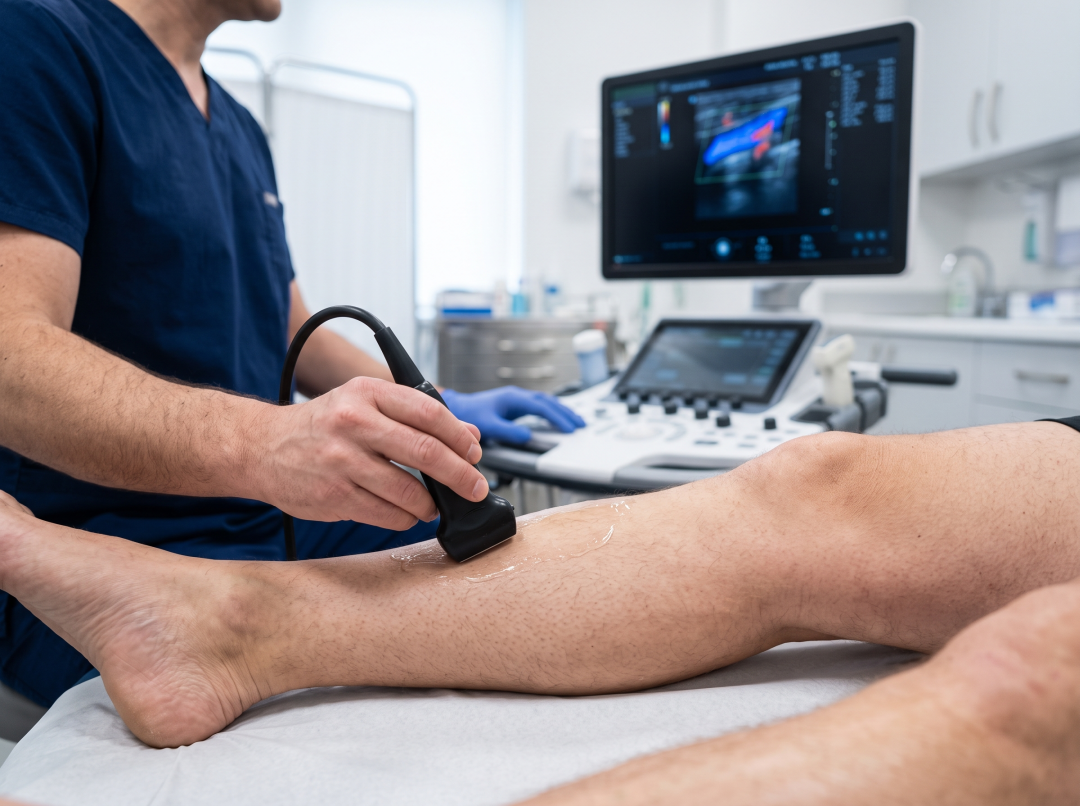
A physical exam lets the provider check visible veins, swelling, tenderness, skin condition, and other relevant findings. If more information about blood flow is needed, the next step is usually a duplex ultrasound. It shows both the structure of the vein and which direction blood is moving, which is how most providers confirm a valve problem.
Bring your insurance information, a current medication list, and notes about your symptoms. It also helps to write down when the problem began, whether it has changed, and what you've already tried.
Understanding Vein Function
Vein valves help move blood back toward the heart and limit backward flow. When those valves don't work properly, blood can pool and stretch the vein, which is what leads to enlarged, twisted varicose veins.
A good assessment looks for the root cause of vein problems, not just the veins you can see. That finding shapes the discussion about monitoring, symptom management, or procedural care.
How Treatment Recommendations Are Made

Appropriate care depends on your symptoms, exam findings, medical history, vein anatomy, and treatment goals. A personalized treatment plan should reflect all of these. Insurance requirements may also affect whether a recommended service is considered medically necessary.
The provider should explain the relevant options, expected benefits, limitations, recovery, and potential risks. Ask why a particular approach is being recommended and whether alternatives are reasonable for your condition.
Conservative Care and Treatment Planning
Some patients start with monitoring, compression stockings, activity changes, leg elevation, or other symptom-management measures. Others may be candidates for sclerotherapy, minimally invasive vein treatments, or surgery after a clinical assessment and any necessary testing.
Not every visible vein needs a procedure, and the same treatment isn't right for every patient. Patient-centered care plans should address the source of the vein problem when clinically appropriate, not only how it looks.
Minimally Invasive Vein Treatments Your Provider May Discuss
Most modern procedures are done in the office under local anesthesia. They close the faulty vein from the inside, and blood reroutes through healthier veins. Not every practice offers every option, so confirm which ones are available at the Bethesda location.
Thermal ablation. Endovenous laser ablation (EVLA) delivers laser energy through a thin catheter to heat and seal the vein. Radiofrequency ablation (RFA) works the same way but uses radiofrequency energy instead. Radiofrequency closure (VNUS® Closure) is one of the best-known versions. Because both rely on thermal energy, the area around the vein is numbed first.
Non-heat closure. ClariVein combines mechanical and chemical methods: a specialized catheter with a rotating tip disturbs the vein wall while a sclerosing medication is released. VenaSeal closes the vein with a medical adhesive. Neither uses heat, so both typically need less numbing along the leg.
Foam sclerotherapy. A foamed medication is injected into the vein, pushes blood aside, and causes the vein to collapse over time. Varithena is an FDA-approved microfoam used for certain larger veins.
Ambulatory phlebectomy. Bulging surface veins are removed through tiny punctures in the skin. You may also hear it called microphlebectomy. Each small incision is usually only a few millimeters long.
Thermocoagulation (Veinwave™). A very fine needle delivers heat to seal small thread veins. It's aimed at tiny surface veins, not larger varicose veins.
Vein stripping. This older surgery physically removes the vein. Catheter-based options have largely replaced it, though a surgeon may still recommend it in select cases.
What About Recovery and Risk?
You'll see vein clinics advertise zero downtime, a negligible risk of complications, or a negligible risk of recurrence. Plenty of patients do walk out and get back to normal routines within a day or so. Still, recovery, side effects, and the chance of new veins appearing vary by procedure and by person. Ask the provider what safe results look like for your case, and what their follow-up shows.
Request an Appointment to Discuss Your Symptoms
How to Choose a Varicose Vein Provider
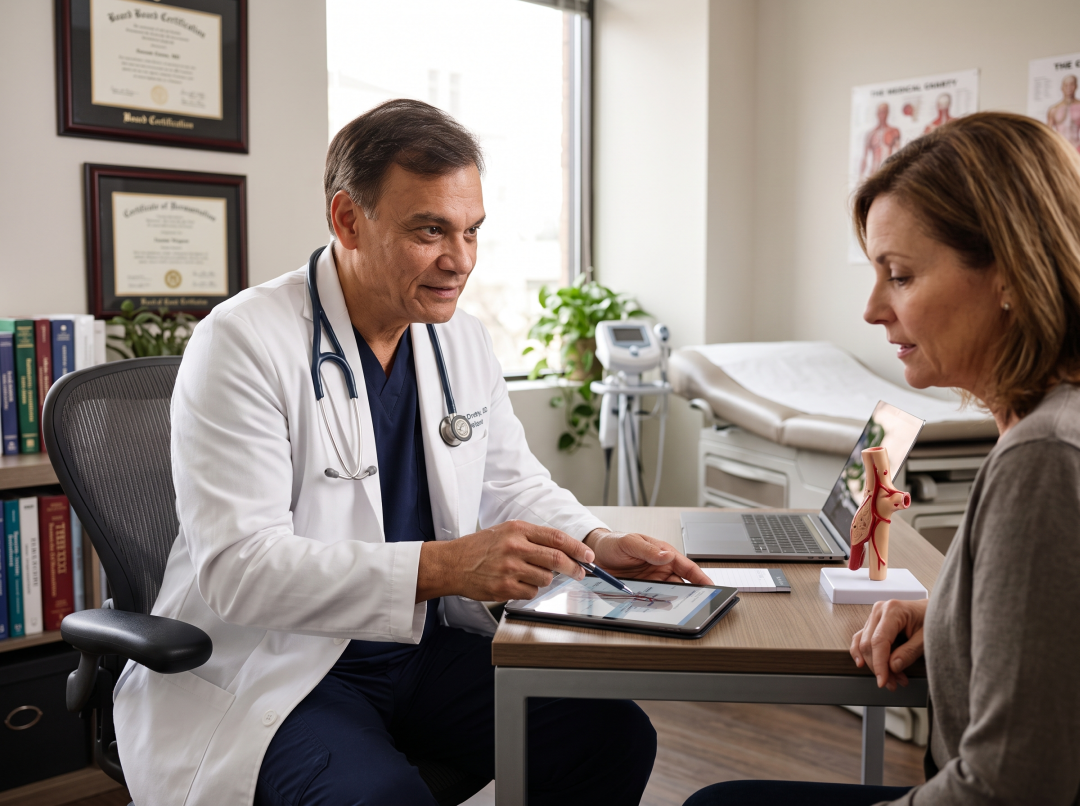
Look for a provider with relevant board certification, experience evaluating venous conditions, and a clear diagnostic process. Board certification should be in a specialty connected to the care being offered, such as vascular surgery, interventional radiology, or another applicable medical field.
The consultation should include a clear explanation of the findings and your choices. Before agreeing to care, you should know who will perform any recommended procedure, what recovery could involve, and how follow-up works.
Questions to Ask Before Scheduling
Use these questions to compare your options:
- What qualifications and board certifications does the evaluating clinician hold?
- Who performs the initial exam and any recommended procedure?
- Will diagnostic imaging be needed, and where is it done?
- Which minimally invasive options do you offer, and why would you recommend one over another?
- How are treatment decisions made?
- What recovery restrictions could apply?
- What follow-up care is included?
- Does the office handle insurance verification and estimate out-of-pocket costs?
Clear answers help you choose a provider based on clinical fit, communication, and practical expectations, not convenience alone.
Insurance, Costs, and Scheduling
Coverage for varicose vein care varies by plan, diagnosis, medical documentation, and the reason treatment is recommended. Procedures for symptomatic vein disease are covered by most insurances when medical-necessity criteria are met. Those criteria often include a duplex ultrasound report and a trial period with compression stockings. Treatment considered cosmetic usually isn't covered.
Before scheduling treatment, confirm your deductible, copay or coinsurance, referral rules, and prior authorization requirements with both the provider and your insurer. With many plans, no referral is needed for a specialist visit, but HMO plans are more likely to require one. Ask the office for self-pay information if a service isn't covered.
Preparing Your Appointment Request
When contacting the office, share only the details needed to arrange a first visit:
- Your main symptoms and how long you've had them
- Preferred appointment days or times
- Your insurance carrier
- Reliable callback or contact information
You can also ask whether the office helps check potential coverage before treatment. Benefit checks are useful, but final coverage and payment decisions still depend on the terms of your insurance plan.
Contact the Office to Request an Evaluation
Request a Varicose Vein Consultation
A qualified vein care provider can assess your symptoms, examine the affected area, and explain reasonable next steps without promising a particular diagnosis or result. Request a consultation to start the evaluation process.
Request a Consultation
Ask the provider to compare the pros and cons of every treatment that may fit your condition, including conservative care and procedural options. That conversation should cover expected benefits, limitations, risks, recovery, recurrence, and how each choice lines up with your goals.
Patients considering care with Dr. Kamran Saraf and the Bethesda team can ask about his experience evaluating and treating venous conditions, the diagnostic testing available, and which options may fit their needs.
Board-certified vascular surgeons may be especially appropriate when symptoms point to an underlying circulation problem, more complex vein disease, or a need to discuss both minimally invasive and surgical options.
Frequently Asked Questions
What Type of Specialist Treats Varicose Veins in Bethesda, MD?
Varicose veins are commonly evaluated by vein specialists, vascular surgeons, interventional radiologists, or other physicians trained in venous disease. The right provider depends on your symptoms, the veins involved, your medical history, and what testing you need.
What Treatments Might a Bethesda Vein Specialist Offer?
Options can include compression stockings, lifestyle measures, sclerotherapy, foam sclerotherapy, laser ablation, radiofrequency ablation (sometimes still called VNUS Closure), VenaSeal, ClariVein, ambulatory phlebectomy, or surgery. Services vary by practice. An exam, often with a duplex ultrasound, helps determine which options fit you.
How Should I Choose a Varicose Vein Specialist in Bethesda, MD?
Choose a provider who regularly evaluates venous disease, explains both conservative and procedural choices, and is clear about diagnosis, recovery, and follow-up. Confirm which tests and treatments are available at the Bethesda location before scheduling.
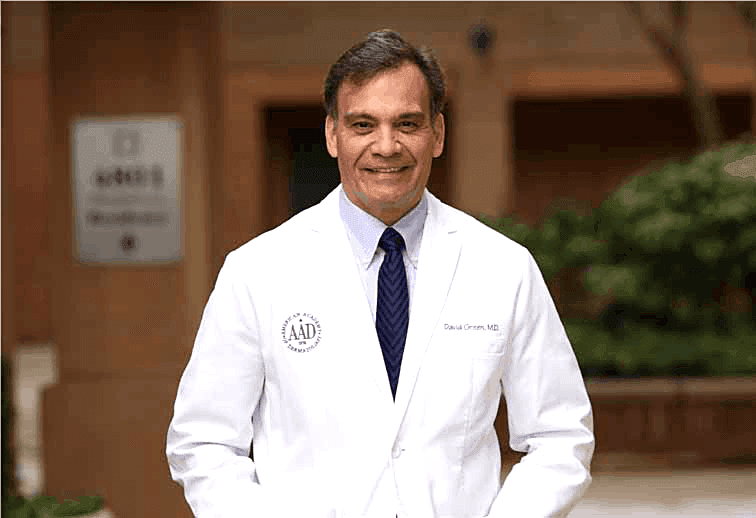
Dr. David Green, M.D.
Board-Certified Dermatologist · LaserDerm & Vein Centers, Bethesda, MD
More about Dr. Green ›Published October 8, 2026 · Updated October 8, 2026
Ready to schedule a consultation?
Dr. Green and our team are here to help. Call 301-907-7250 or request an appointment online.
Request an Appointment