Rosacea Treatment
Who Treats Rosacea Near Bethesda, Maryland?
David Green, M.D.

In Short
Managing persistent facial redness, bumps, or ocular symptoms starts with the right specialist. Explore medical dermatology options near Bethesda, Maryland, and learn what to ask at your first visit to find a tailored treatment plan.
Who Treats Rosacea Near Bethesda, Maryland?
Persistent facial redness or acne-like bumps can make choosing a doctor confusing. If you’re asking, “Who treats rosacea near Bethesda, Maryland?” start with dermatology practices that evaluate medical skin concerns.
Below are four local options, what to ask before scheduling, and symptoms that warrant prompt eye care.
Four Local Options for Rosacea Care
These practices are starting points for research, not rankings of clinical outcomes or satisfaction ratings. Confirm appointment availability, insurance participation, referral requirements, and treatment suitability directly with each office.
1. LaserDerm & Vein Center
Dr. Allison Windels, MD, may be a clinician to ask about when researching rosacea care near Bethesda, Maryland. Confirm provider availability and whether her clinical evaluation is appropriate for your symptoms.
Review LaserDerm & Vein Center’s rosacea treatment service for evaluation and treatment information. Ask about the clinician’s experience and whether your redness, bumps, visible vessels, or eye symptoms call for medical dermatology, laser therapy, or referral.
2. Chevy Chase Dermatology Center
Chevy Chase Dermatology Center, listed at 5454 Wisconsin Ave., Chevy Chase, MD 20815, is a nearby medical dermatology option listed as treating rosacea. Verify the address, provider availability, and whether the office treats your specific presentation.
3. Forefront Dermatology
Forefront Dermatology’s Bethesda-area information includes rosacea among medical dermatology concerns. Ask about diagnosis, prescription skin creams, follow-up timing, and accepted insurance, especially if sensitive skin or dry and flaky skin complicates your routine.
4. Epiphany Dermatology of Bethesda
Contact Epiphany Dermatology of Bethesda about appointments and provider fit for concerns such as visible broken blood vessels or persistent redness. Confirm services and insurance for this location rather than assuming every clinician or treatment is available throughout the organization.
Choose the Right Type of Rosacea Clinician
The American Academy of Dermatology recommends seeing a board-certified dermatologist to determine what is causing a skin condition that may be rosacea. Primary care can provide an initial assessment or referral.
Ophthalmology matters when eyes are involved. Seek prompt eye care for pain, light sensitivity, blurry vision, or worsening red, irritated eyes, as described by the National Eye Institute.
Ocular rosacea affects the eyes and may cause watery or bloodshot eyes, a gritty sensation, burning, dryness, or irritation. A dermatologist can coordinate with an ophthalmologist when these symptoms occur, especially if pain, light sensitivity, or blurry vision develops.
Eye symptoms may include eyes that are sensitive to the light, along with pain, burning, dryness, or blurry vision. Seek prompt eye care if these symptoms develop or worsen.
Bring Useful Details to the Visit
Bring flare photos, medication and skin-care lists, and notes about possible triggers, including heat, sun, alcohol, spicy foods, or harsh products. Describe flushing, acne-like bumps, facial swelling, eye changes, and whether products burn or sting.
Understand What Rosacea Treatment May Include
Rosacea has no cure, but treatment can reduce flare-ups and help people feel more comfortable. A dermatologist can tailor a plan that includes gentle skin care and sun protection, with medication, laser or light therapy, or other treatment as needed.
Treatment depends on symptoms, severity, medical history, and goals, rather than one standard approach.
The exact cause of rosacea is not fully understood. Factors that may contribute include family history, an overactive immune system, certain skin mites or bacteria, and environmental triggers, so a dermatologist should assess your individual symptoms before recommending treatment.
Depending on the type and severity of rosacea, a dermatologist may recommend topical medication, oral antibiotics, light therapy, or laser therapy. Oral antibiotics are prescription treatment and should be selected and monitored by a clinician based on your symptoms and medical history.
For some patients, light-based treatment such as photodynamic therapy may be considered, particularly when acne-like breakouts or other symptoms do not respond adequately to initial care. A dermatologist can determine whether it is appropriate and explain preparation, expected results, potential side effects, and cost.
A consistent skin care routine can also support rosacea care. Use gentle, fragrance-free products, avoid known irritants, apply sun protection, and keep notes on foods, heat, or other triggers that may coincide with flares.
Discuss the treatment options that best match your symptoms and goals, such as prescription medication, gentle skin care, sun protection, or laser and light therapy. A clinician can explain expected benefits, risks, costs, and follow-up for each option.
Ask Practical Appointment Questions
Surgery is not a typical first-line treatment for rosacea, but severe skin thickening or another diagnosis may require discussion of a procedural or surgical referral.
Ask whether you need a medical evaluation before laser or light therapy, how many visits may be needed, and what follow-up involves. Request out-of-pocket estimates and clarify which services are medically necessary versus cosmetic before assuming insurance coverage.
Avoid Delays and Self-Treatment Mistakes
Facial redness is not always rosacea: acne, dermatitis, lupus, and other conditions can resemble it. Avoid repeatedly switching products, irritating scrubs, fragrances, and steroid creams unless prescribed for your facial condition.
Seek evaluation if symptoms persist, spread, scar, or involve your eyes; do not choose care by distance alone.
Key Takeaway
Begin with a dermatology evaluation and compare local practices by access, provider fit, and coverage. Vision symptoms warrant prompt eye assessment.
Explore LaserDerm & Vein Center’s rosacea treatment service to learn about evaluation and discuss an appropriate next step with a clinician.
Frequently Asked Questions
Can Rosacea Affect the Arms?
Rosacea most often affects the central face. Arm symptoms are less typical and should be assessed because another skin condition may be responsible.
What Type of Doctor Do You See for Rosacea?
A dermatologist is the primary specialist. An ophthalmologist may be needed for eye symptoms, particularly pain, blurry vision, or light sensitivity.
Does Insurance Cover Rosacea Treatment?
Insurance may cover medically necessary visits and prescription treatment, but benefits vary. Cosmetic procedures may not be covered; verify coverage before care.
What Are the Five Symptoms of Rosacea?
Common symptoms include persistent facial redness, flushing, visible blood vessels, acne-like bumps, and burning or stinging. Eye irritation or skin thickening can also occur.
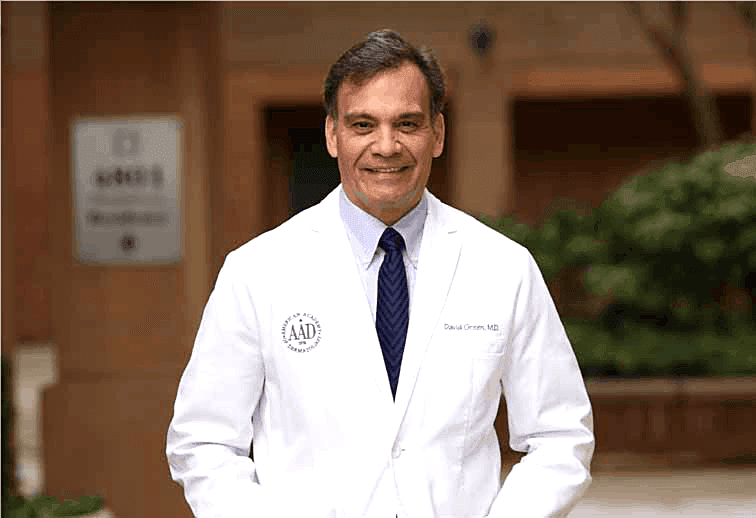
Dr. David Green, M.D.
Board-Certified Dermatologist · LaserDerm & Vein Centers, Bethesda, MD
More about Dr. Green ›Published October 29, 2026 · Updated October 29, 2026
Ready to schedule a consultation?
Dr. Green and our team are here to help. Call 301-907-7250 or request an appointment online.
Request an Appointment